Title search results
Showing 1 - 3 of 3 items
Braille (Contracted), Electronic braille (Contracted), DAISY Audio (Direct to Player), DAISY Audio (Zip), DAISY text (Direct to player), DAISY text (Zip), Word (Zip), ePub (Zip)
Biography of persons with disabilities, Journals and memoirs, Disabilities
Synthetic audio, Automated braille
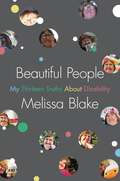
Well-known disability activist and social media influencer Melissa Blake offers a frank, illuminating memoir and a call to action for…
disabled people and allies. In the summer of 2019, journalist Melissa Blake penned an op-ed for CNN Opinion. A conservative pundit caught wind of it, mentioning Blake&’s work in a YouTube video. What happened next is equal parts a searing view into society, how we collectively view and treat disabled people, and the making of an advocate. After a troll said that Blake should be banned from posting pictures of herself, she took to Twitter and defiantly posted three smiling selfies, all taken during a lovely vacation in the Big Apple:I wanted desperately to clap back at these vile trolls in a way that would make a statement, not only about how our society views disabilities, but also about the toxicity of our strict and unrealistic beauty standards. Of course I knew that posting those selfies wasn't going to erase the nasty names I'd been called and, the chances were, they would never even see my tweet, but that didn't matter. I wasn't doing it for them; I was doing it for me and every single disabled person who has been bullied before, online and in real life. When people mock how I look, they're not just insulting me. They're insulting all disabled people. We're constantly told that we're repulsive and ugly and not good enough to be seen. This was me pushing back against that toxic, ableist narrative.For the first time, I felt like I was doing something empowering, taking back my power and changing the story. Her tweet went viral, attracting worldwide media attention and interviews with the BBC, USA Today, the Chicago Tribune, PEOPLE magazine, Good Morning America and E! News. Now, in her manifesto, Beautiful People, Blake shares her truths about disability, writing about (among other things): the language we use to describe disabled people ableism, microaggressions, and their pernicious effects what it's like to live in a society that not only isn't designed for you, but actively operates to render you invisible her struggles with self‑image and self‑acceptance the absence of disabled people in popular culture why disabled people aren't tragic heroes Blake also tells the stories of some of the heroes of the disability rights movement in America, in doing so rescuing their incredible achievements from near total obscurity. Highlighting other disabled activists and influencers, Blake&’s work is the calling card of a powerful voice—one that has sparked new, different, better conversations about disability.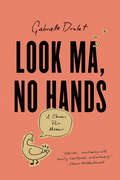
Braille (Contracted), Electronic braille (Contracted), DAISY Audio (Direct to Player), DAISY Audio (Zip), DAISY text (Direct to player), DAISY text (Zip), Word (Zip), ePub (Zip)
Journals and memoirs, Disabilities
Synthetic audio, Automated braille
A humorous, profound debut memoir about chronic pain, accessibility, and young adulthood, by an acclaimed essayist and cartoonist.In 2021, Gabrielle…
Drolet developed a condition that made her unable to use her hands. It only worsened over time, and as a writer and artist, she had to learn new ways of creating and expressing herself. The experience completely changed her life and her outlook. Look Ma, No Hands explores both the difficulty and the humour of developing chronic and life-altering pain in her twenties. Each chapter looks at a different aspect of her life touched by her disability: how she learned to write when she couldn&’t type; how she learned to manage the most mundane daily tasks. She moves cities and as her work as a writer and cartoonist builds has to navigate different byzantine health systems without the privilege or security of having a family doctor, even as she moves into her new apartment and embarks on first dates. And she does all of this with the most wonderful sense of the absurd. Look Ma, No Hands is utterly charming and shares profound reflections on life&’s curveballs, and explores how, in Drolet&’s words, &“you can live a full—even funny—life in a disabled body.&”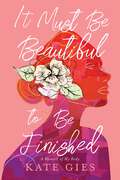
Braille (Contracted), Electronic braille (Contracted), DAISY Audio (Direct to Player), DAISY Audio (Zip), DAISY text (Direct to player), DAISY text (Zip), Word (Zip), ePub (Zip)
Biography of persons with disabilities, Journals and memoirs
Synthetic audio, Automated braille
A raw, beautiful memoir of a girl born missing an ear, a medical system insistent on saving her from herself,…
and our culture&’s desire to &“fix&” bodies.When Kate Gies was four years old, a plastic surgeon pressed a synthetic ear to the right side of her head and pulled out a mirror. He told her he could make her &“whole&”—could make her &“right&”—and she believed him. From the age of four to thirteen, she underwent fourteen surgeries, including skin and bone grafts, to craft the appearance of an outer ear. Many of the surgeries failed, leaving permanent damage to her body. In short, lyrical vignettes, Kate writes about how her &“disfigured&” body was scrutinized, pathologized, and even weaponized. She describes the physical and psychic trauma of medical intervention and its effects on her sense of self, first as a child needing to be fixed and, later, as a teenager and adult navigating the complex expectations and dangers of being a woman. It Must Be Beautiful to Be Finished is the story of a girl desperately trying to have a body that makes her acceptable and of a woman learning to own a body she has never felt was hers to define. In an age of speaking out about the abuse of marginalized bodies, this memoir takes a hard look at the role of the medical system in body oppression and trauma.